Serving Indianapolis & Central Indiana Free callback & quote · No obligation Local (463) line answered 24/7
  1. Home
  2. Services & Guides
  3. Pests & Rodents

Rodents, Insects & Damaged Vapor Barriers in Indiana Crawl Spaces

Why damp crawl spaces and hanging fiberglass batts turn into nesting habitat for mice and moisture pests — and the right order to fix both.

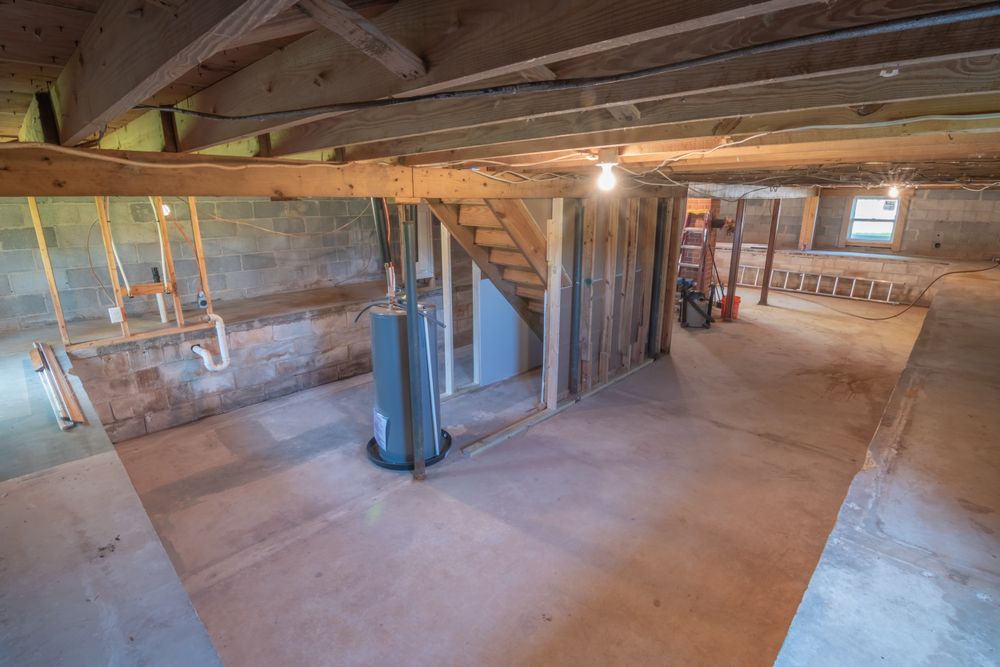
Illustrative crawl space ground area requiring sealed vapor barrier protection

Why pests target vented crawl spaces

Damp wood, warm winter air leaking from floor ducts, and thick hanging fiberglass batts create ideal shelter for mice, voles, camel crickets, centipedes, and subterranean termites. Open or rusted crawl space vents and gaps around AC line sets let rodents walk straight under your house, where they tunnel into soft batts and shred thin 6-mil plastic.

What happens to your home when pests move in

  • Fouled insulation & odors: Urine and droppings soak fallen batts and get pulled upward into living spaces via the stack effect.
  • Chewed flex ducts & wiring: Rodents tear insulated flex ductwork, bleeding conditioned air under the house and damaging HVAC efficiency.
  • Termite-friendly damp wood: Wet sill plates and debris touching soil invite subterranean termite activity.

The right sequence: pest control first, then sealing

  1. If active rodents are present, call pest control first: Sealing a crawl space while mice are still inside simply traps them or forces them upward.
  2. Cleanout & insulation removal: Clear droppings, wood scraps, and ruined fiberglass batts.
  3. Seal entry points & vents: Close foundation vents, mortar gaps around utility penetrations, and upgrade loose crawl access doors.
  4. Install a puncture-resistant 12–20 mil liner: Reinforced multi-ply encapsulation liners hold up far better than fragile 6-mil hardware-store poly.

FAQ

Pests & Rodents: common questions

Does crawl space encapsulation stop mice and bugs?

Sealing foundation vents, removing hanging fiberglass nests, lowering humidity below 55%, and installing a tight wall-to-floor liner removes both entry paths and moisture habitat—dramatically reducing crickets, silverfish, and rodent appeal. However, active infestations should be cleared by a licensed pest control company first.

Do contractors remove mouse-damaged insulation before installing a vapor barrier?

Yes—most Indianapolis crawl space contractors include debris and ruined-batt removal as an itemized line on their quote, though heavy biohazard sanitization may require specialized cleanup.

Can termites hide behind foam wall insulation?

Yes—which is why Indiana contractors typically leave a 3-to-4-inch termite inspection gap at the top of concrete block walls below the sill plate so termite mud tubes stay visible.

Want a local crawl space pro to look at it?

Call (463) 300-6878 or request a free callback and written quote from an independent Central Indiana contractor.