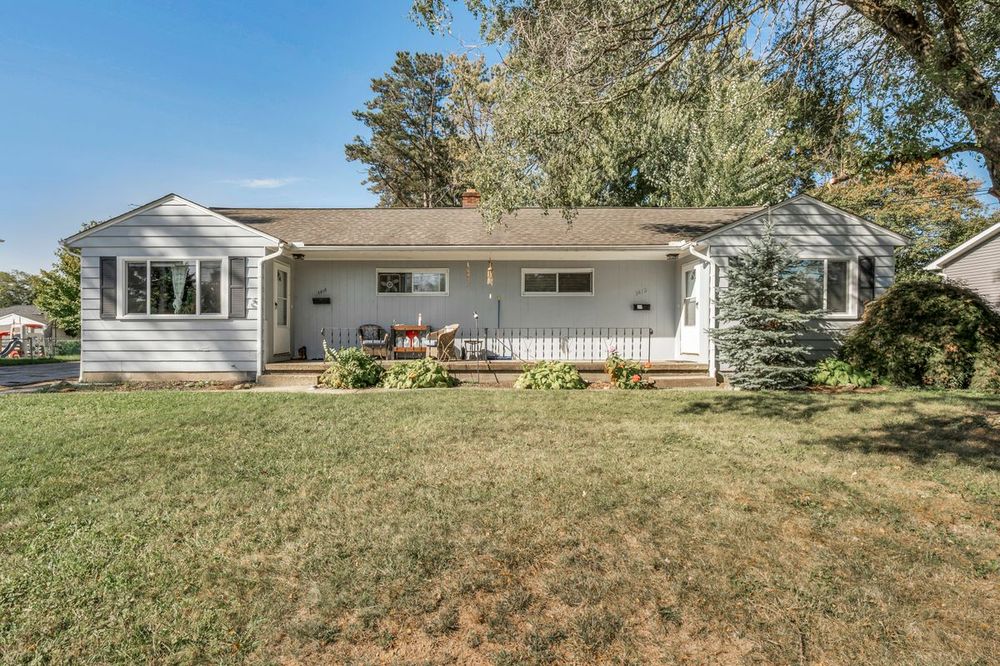
Why floors over a crawl space get so cold
During Central Indiana cold snaps, sub-freezing wind blows directly through open foundation vents and leaky rim joists. Even if someone stuffed fiberglass batts between your floor joists years ago, fiberglass only slows conduction when dry and tightly enclosed — air passes straight through it, and summer humidity makes heavy batts sag away from the subfloor, leaving wide gaps against cold winter air.
Four signs your crawl space insulation is failing
- Batts hanging down onto the dirt or held up by rusty wire rods
- Cold drafts around floor registers, baseboards, and exterior kitchen walls
- Heating running constantly while tile or hardwood floors still feel icy
- Pipes in the crawl space at risk of freezing during sub-zero January nights
Perimeter wall insulation vs. floor-joist batts
In a sealed, unvented crawl space, contractors move the thermal boundary from the floor joists out to the concrete foundation walls:
- Remove wet or rodent-damaged floor batts: Allows joists to dry and stops pests from nesting overhead.
- Air-seal the rim joist band: Closes the biggest winter air leak between foundation top and subfloor.
- Insulate foundation walls: Rigid foil-faced/XPS foam board or closed-cell spray foam (note: never use spray foam directly over active water leaks or untreated rot).
- Seal vents & condition the space: Keeps crawl temperatures noticeably closer to indoor temperatures, warming floors and protecting plumbing.
Typical 2026 insulation costs run $500–$3,700 ($1.00–$4.50/sq. ft. for rigid wall foam board; $2.00–$5.00/sq. ft. for closed-cell spray foam; insulation guide).