Is water in a crawl space after heavy rain normal?
No — common in Central Indiana, yes, but not harmless. Marion, Hamilton, Johnson, Hendricks, and Boone counties sit over Tipton Till Plain glacial clay soils that drain slowly. When March–June storms saturate the topsoil, water builds hydrostatic pressure against concrete block walls or seeps up under shallow footings.
Check these 4 exterior fixes before hiring anyone
- Downspout extensions: Ensure every downspout discharges at least 6–10 feet away from foundation walls, not into cracked underground tiles clogged with roots.
- Yard grading & mulch beds: Soil should slope away from the foundation at least 6 inches over the first 10 feet.
- Window & access well covers: Older crawl space access doors and low foundation vents frequently funnel surface runoff straight into the crawl.
- Plumbing or HVAC condensate lines: Confirm the puddles appear only with rain, not from a leaking water heater pan, shower drain, or AC drain line.
What Indiana Residential Code expects for crawl space drainage
Indiana’s residential building code includes a specific underfloor drainage rule: where water enters, the crawl space floor should slope toward a gravity drain or a sump pit at least 18 inches wide and 24 inches deep (graded roughly 1 inch per 10 feet, or 1/2 inch per 10 feet over at least 3 inches of gravel).
Never encapsulate over active standing water
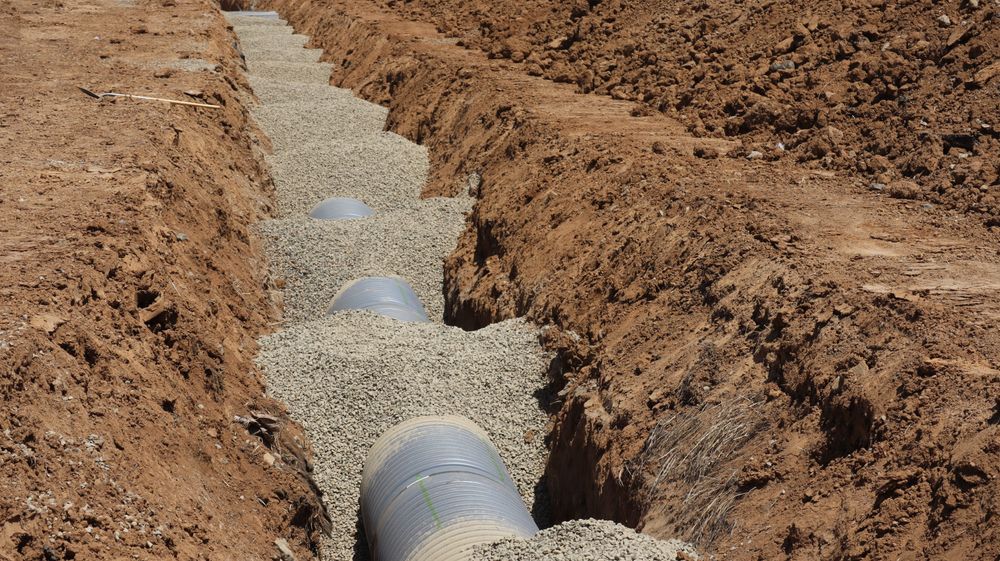
Laying a vapor barrier directly on top of wet mud or puddles simply traps water beneath plastic, creating foul odors and pushing moisture out at the perimeter walls. When exterior grading does not keep the floor dry, an interior perimeter French drain and sealed sump pump should capture groundwater underneath the liner first.
Typical 2026 Indianapolis ranges run $766–$4,500 for sump pump systems (Angi Indy average ~$1,053 for basic pump swaps; sealed crawl basins run $1,100–$2,500+), $1,500–$4,000+ for interior perimeter drainage, and $15,000–$20,000 when combined with full encapsulation and dehumidification.