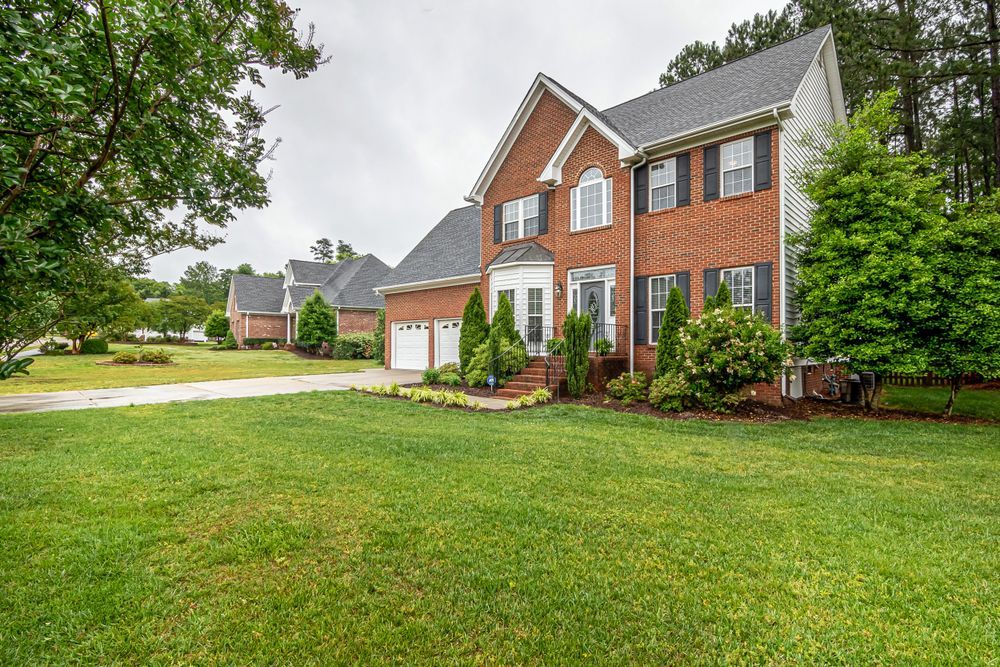
How common are crawl spaces in Indianapolis?
Per U.S. Census American Housing Survey data for the Indianapolis metro, about 28.6% of single-family homes (roughly 162,000 houses) have a crawl space — especially 1940s–1970s ranches, bungalows with rear additions, and slab/basement hybrids across Marion, Hamilton, Johnson, Hendricks, and Boone counties.
Moisture & structural comparison on Central Indiana clay
| Factor | Unsealed Vented Crawl Space | Full Basement (Unfinished/Waterproofed) |
|---|---|---|
| Clay soil groundwater | Shallow footing depth sits near 0.5–2.0 ft seasonal water table | Deeper wall faces higher lateral hydrostatic pressure |
| Summer humidity | Open vents pull 64.7°F dew-point July air straight across exposed joists | Cooler concrete sweats unless dehumidified, but easier to spot |
| Visibility | Hidden behind small access door; damage goes unseen for years | Walk-in access makes leaks and cracks easier to catch early |
| Typical waterproofing / encapsulation | $1,500–$4,000 vapor barrier; $4,000–$12,000 encapsulation; $15k–$20k w/ drainage | $3,000–$8,000+ typical interior perimeter waterproofing range |
Are crawl space homes bad to buy in Indiana?
Not at all — provided moisture is controlled. A clean, dry, encapsulated crawl space with proper grading and a working dehumidifier protects floor framing just as reliably as a dry basement and provides easy access to plumbing, electrical, and HVAC lines. If you are under contract on a house with a damp crawl, read our home inspection repair guide.